Horse As Teacher, The Path to Relationship is now available for purchase. Click here for details!
 |
 |
 |
Archive for the ‘Healing Horses Naturally’ Category
Feed Cranberries to Horses
Editor’s Note: This article has been sourced via Riva’s Remedies.
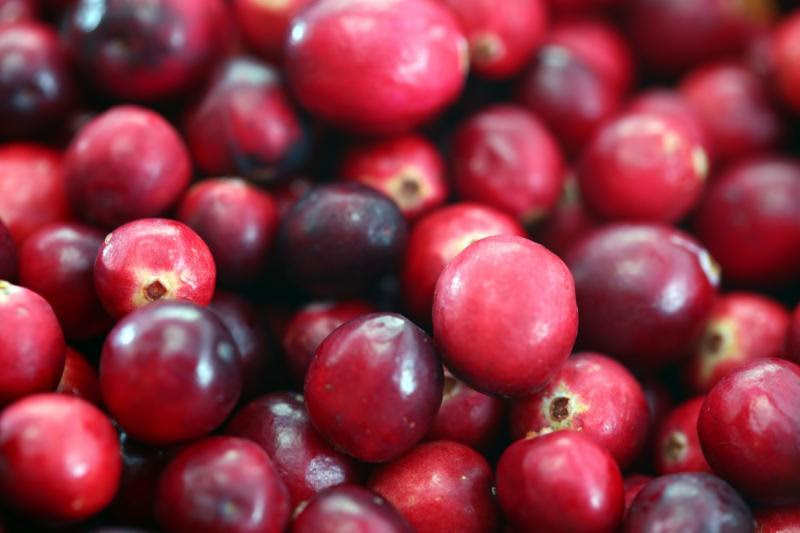
I’m always looking for new foods that horses might like to provide them with variety and extra nutrition. Turns out that raw organic cranberries are the new face around here – they gobble them right up even with the tart taste. Cranberries are rich in Manganese, Vitamin C, Vitamin E, fibre, and anti-oxidants. They are a natural anti-inflammatory and antibiotic, and are beneficial for the immune system and heart. Just add 1/4 cup to their breakfast.
Hormonal Mares

Editor’s Note: This article has been sourced via Riva’s Remedies.
Many mares exhibit hormonal problems through mood and behaviour changes. This is often seen during a mare’s cycling days, however many mare owners report problems with their behaviour on a daily basis even when they are not cycling. Unfortunately, too many times we have simply attributed this to “mares being mares”, and have not recognized that these girls are not feeling well and that they can suffer from the same anxiety, irritability, aggression, sadness and depression as women do during PMS or an unhealthy menopause. They can also have problems with cycling pains. Pain and/or emotional symptoms make it very hard for mares to tolerate being handled or ridden, to compete and/or to cooperate with other horses. Unfortunately these behaviours often get dismissed as a personality or training problem.
Hormones are powerful chemicals that have a profound effect on the neurotransmitters of the brain: estrogen has an excitatory effect on the brain, increasing serotonin and acetylcholine levels whereas progesterone has a more calming effect. Serotonin is responsible for creating positive moods and acetylcholine is necessary for focus and memory.
As with humans, diet can be an important factor – high-sugar feed such as oats or sweet feed will exacerbate hormonal symptoms. Horse owners also report that high quantities of alfalfa can negatively affect behaviour as well. (For humans, caffeine and dairy products are the most common dietary culprits that contribute to PMS and menopausal symptoms.)
Fortunately, when hormonal mares are supplemented with the appropriate nutrients and/or hormone-balancing herbal blends they will quickly improve to experience an increase in stable moods and suffer less depression, less aggression and more motivation. Beneficial nutritional supplements include the Riva’s Vitamin B6 (pyridoxine) and Riva’s Primrose Oil. Vitamin B6 is essential for the synthesis of both hormones and neurotransmitters and has the added benefit of regulating blood sugar levels. Vitamin B6 will also support pituitary and thyroid function as these endocrine glands rely on this vitamin for optimum health. Riva’s Primrose Oil provides essential fatty acids and 9% gamma-linolenic acid (GLA) which is found in the plant seeds of evening primrose oil. Primrose oil also has anti-inflammatory properties which helps with skin conditions and arthritis.
Herbal blends for hormone balance are also available as they re-balance the estrogen and progesterone levels and calm the emotions. The Riva’s Herbal Blend for Mares contains black cohosh, blessed thistle, chamomile and wild yam root to tone the ovaries and sooth the nerves. This blend will also effectively regulate erratic cycles, ease uterine cramping and/or help to increase fertility – although it is not advisable to feed it during pregnancy. This blend has an effective stabilizing effect on moods.
If the thyroid or pituitary glands are needing support in addition to the reproductive hormones then add the Riva’s Hormone Boost which contains Ashwaghanda, Chaste Berry, Kelp, Licorice Root and Raspberry Leaf. This formula will strengthen the endocrine gland system, relieve stress and balance hormone levels. It is also beneficial in cases of Equine Metabolic Syndrome, Insulin Resistance and Cushing’s since it supports the pituitary and adrenal glands and helps to regulate insulin levels and metabolism.
If the hormones are stabilized but your mare still appears uncooperative with an attitude then she either has other underlying emotional issues (she needs to be heard) or the training program should be assessed. Some “mare behaviour” has been allowed to become a pattern, in which case competent but compassionate handling will help them establish new patterns. And don’t put food down in front of “cranky” mares until their ears come forward – this might take time at first but they should learn to “smile” in the presence of food.
With good food, supplements and common-sense handling your mare will be a happy, healthy and willing partner.
“Riva’s Healing Spirit awakens the essence that resides within each one of us
– animal or human – the heart of which connects
and aligns us with the greater spirit that heals all.”Marijke van de Water, B.Sc., DHMS
Equine Health & Nutrition Specialist
Homeopathic Practitioner
Medical Intuitive & Healer
Author & Educator
For more information on your horses’ diet,
nutrition and health conditions read
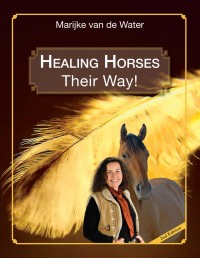
“Healing Horses Their Way”
Watch the Riva’s Remedies video on YouTube “Hormonal Mares and Geldings”
Sweet Itch Solution
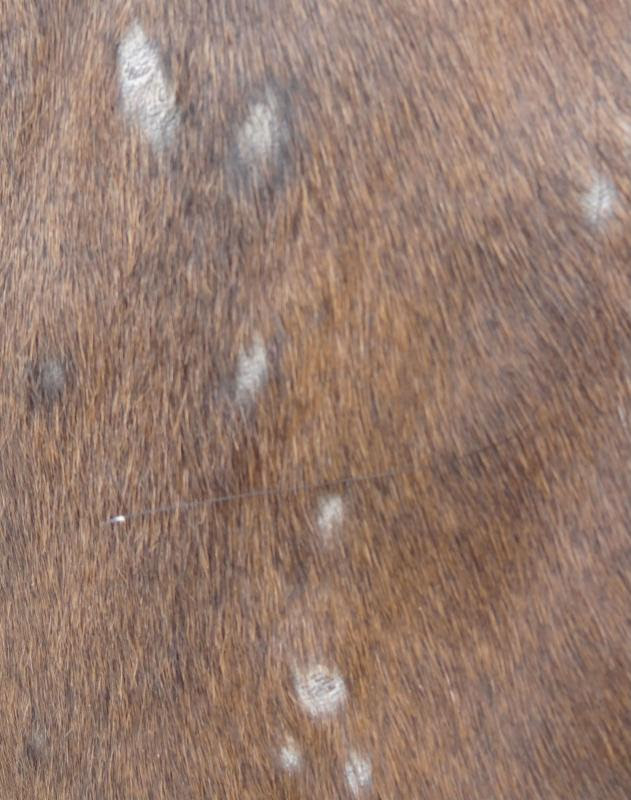
With the warmer weather on the way it’s time to prepare the horses who have a hypersensitivity to insect bites – usually flies, mosquitoes and especially biting midges (“no-see-ums”). Horses become intensely irritated and itchy and will look for almost anything solid to scratch on. This is an internal problem since the insects are attracted to those horses whose immune systems are compromised and/or whose skin is damaged. For more information on how sweet itch occurs click here.
Our clients achieve excellent results with our “sweet itch” protocol of Summer Tincture combined with Vitamin C.
I tried everything to stop my horse from suffering from insect bites and sweet itch. I couldn’t believe how fast your program worked! Thank you.
…A.G. (Vancouver, B.C.)

I used every product on the market and my horse just kept getting worse. Then I found out about your products and within days the insects stopped biting and his skin cleared up 100%.
…
Jim (Vancouver, B.C.)

What’s TRUE about beet pulp
Editor’s Note: This article has been sourced via Riva’s Remedies.
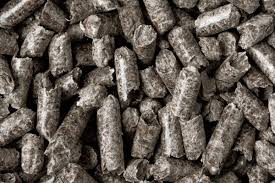
Beet pulp is the fibrous material left over after the sugar is extracted from sugar beets. It’s an excellent source of crude fibre (18%) and contains both insoluble and soluble fibre which is mostly pectin. Pectin is a highly digestible fibre which is why beet pulp is such a good energy source – horses obtain over 75% of their energy from the fermentation of fibre; not from protein, carbohydrates or oil. Beet pulp fibre is also an effective prebiotic that helps the equine hind-gut synthesize natural levels of probiotics which, in turn, helps to maintain the intestinal ecosystem including the immune system. Fibre is a natural detoxifier of the intestines and the liver and beet pulp is also high in calcium.
Beet pulp has a very low glycemic index meaning that it doesn’t cause a blood sugar spike as do grains such as oats, corn or barley. In addition, it will actually help stabilize blood sugar levels due to its high fibre content. And even though most manufacturers add 5-10% molasses to the pellets the glycemic index is still within acceptable levels because the high fibre content slows down any sugar absorption. Therefore, beet pulp of any kind is frequently a suitable feed for metabolic and/or insulin resistant horses or other sugar-sensitive horses.
Unfortunately, there are many misconceptions about beet pulp that are not based on fact. Here is what is TRUE about beet pulp.
- Beet pulp is not high in sugar. It is high in fibre.
- Beets are not treated with chemicals to kill the top leaves – they are mechanically removed.
- The pulp is produced by soaking beets in hot water, not harsh chemicals.
- Beet pulp is not a source of toxic iron; iron is not a toxic mineral, it is vital to good health and many horses are deficient in iron.
- Beet pulp does not contain higher levels of aluminum than table salt and/or oats for example.
- Pesticide levels in beet sugar is zero and the levels in pulp are extremely low.
For many horses, the available energy, the digestible fibre and its activity as a prebiotic makes beet pulp a beneficial feed that over-rides any negative aspects. At this time there is no other healthier substitute which has the same benefits. However, beet pulp is a GMO crop so let your growers know that organic is your choice for all foods. If everyone bought organic food for themselves and for their animals the world would be cleaner, happier, healthier and, most importantly, more humane.
Some horses don’t tolerate beet pulp however so eliminate it from the feed program if there are any signs of indigestion or other symptoms. Always avoid high sugar feeds, commercial feeds, feeds with unknown ingredients, fats/oils and any other high fat foods.
Beet pulp should always be fed soaked. It can absorb four times its dry weight in water making it a good source of water as well. It is not necessary to rinse or wash beet pulp before soaking.
Need an answering service for your business? Try a virtual receptionist by Virtual Assistant Canada.
Understanding Equine Digestion
Learn more about your horses digestion system, some common equine problems, the causes of these problems and the recommended treatments.
Watch this video via Riva’s Remedies
Ten Parasite Pointers
Editor’s Note: This article has been sourced from Riva’s Remedies and has been originally written by Equine Health & Nutrition Specialist, Marijke van de Water
1) Spring and fall are good times to address parasites since once the eggs are swallowed in the fall they will prepare to hibernate in the intestinal walls or encyst to other organs for the winter. Then in the spring they begin to migrate out of the intestines and into the grass pastures to lay eggs.
2) Parasites produce toxins including ammonia; ammonia stresses the liver and kidneys, interferes with brain function and contributes to laminitis.
3) Encysted parasites are those parasites in the larval state that have formed a protective membrane around themselves and have migrated from the hindgut (large colon and cecum) through the intestinal walls and into the liver, kidneys and/or heart/arteries. If left untreated they are capable of causing many health problems: weight loss, a dull coat, poor appetite, diarrhea, fatigue, liver stress, leaky gut and colic.
4) Horses with long-term/heavily infested parasites will eventually end up with encysted larvae in the other organs – liver, heart, pancreas and kidneys. Encysts do not normally respond to herbal or homeopathic dewormers and must be chemically dewormed.
5) Most horses with long-term and/or heavy loads of parasites are anemic due to the blood loss. Low iron levels have a significant effect on overall health including lowering the resistance to parasites, contributing to chronic infections and depressing the immune system. Cases of anemia should always be treated with Iron-Up, an organic form of iron.
6) Chemical de-wormers, while sometimes necessary, do not always need to be administered as a full dose (i.e. entire syringe) for every horse. Mildly infected horses need less than a full dose and some horses, including those with encysts, will require a small amount repeated two or three times one to two weeks apart. Heavily infested horses also usually require more than one dose.
7) It is not necessary to “syringe” a horse with a chemical de-wormer – this is an invasive practice. Smaller doses can easily be hidden in feed and larger doses can be spread out throughout the day also hidden in feed.
8) Make use of the moon cycles which affect parasite behaviour. In the fall, de-worm a day before or just before the new moon at which time they are looking for hibernation.
9) No matter what de-worming program you are using – natural or chemical – make use of regular fecal analyses to show if your program is working or not. And don’t de-worm your horses unless they have worms and don’t use chemicals for prevention.
10) The best defense against parasites is a healthy hindgut with a balanced eco-system, adequate levels of important nutrients and a strong immunity. Horses with strong digestion and intestines are not attractive to parasites who must rely on weakening their host for optimum survival. In fact, it is estimated that only one-third of the herd actually carries the parasite loads.
A good digestive health program will keep any necessary chemical de-wormings to a minimum:
Hindgut Health Program
- a) No high sugar/grain feeds
- b) No oils
- c) No high protein
- d) Regular exercise
Natural Remedies & Supplements
a) Pro-Colon Probiotics – twice per year for 3-4 weeks

Balances the eco-system, improves immunity, helps heal leaky gut.
b) Para+Plus Herbal Blend – ¼ – ½ cup daily for 3 – 4 weeks; twice per year
Natural anti-parasitic, intestinal anti-biotic, anti-fungal; liver drainage.
c) Iron-Up – 1-2 tsp (= 250-500 mg) as required for anemia.
Anemia, parasite resistance, energy, immunity, circulation.
e) Vitamin B12 – 1 tsp daily = 6,000 mcg daily
Anemia, colon health, diarrhea, leaky gut, liver detoxifier.
f) Folic Acid – 1 tsp daily = 10 mg daily
Anemia, parasite resistance, promotes the production of natural probiotics
The Skinny on Underweight Horses

Editors Note: This article was sourced from Riva’s Remedies.
Helping Horses Gain Weight
Horses acquire over 75% of their energy used for weight gain or for energy from fibre; not from protein, sugars or fats.
Fibre
- Ensure that the hay has enough digestible fibre: ADF (acid detergent fibre), NDF (neutral detergent fibre) and lignins refer to the cell wall portions of the grass which are not as digestible. Hay analyses for ADF should be less than 31% and the NDF less than 40%; the higher the values the more hay your horse has to consume to meet her energy requirements.
- Other beneficial sources of fibre include soaked beet pulp, cooked oats and wheat bran. Soak beet pulp in water (1 part beet pulp to 2-3 parts water) for several hours or overnight. Start with 2 cups daily. Purchase whole oats and cook just like you cook porridge. Let cool. Feed one to two cups daily. Beet pulp and cooked oats can be fed separately or together. Wheat bran – add ½ cup to the above mixture.
- Fibre is digested in the hindgut and relies on a healthy population of probiotics – i.e. friendly bacteria – to ferment it. Probiotics must often be supplemented to replenish adequate levels – always use probiotics which are refrigerated. Fermentation converts fibre from all feed sources to volatile fatty acids which are then used for energy.
Fibre Alternatives
- Adding alfalfa to the diet program is only useful if the horse is deficient in protein as may be indicated by a dropped top-line and/or a hay belly. Alfalfa supplements should be kept to a minimum – it is a supplement, not a staple.
- Do not feed grains such as uncooked oats, barley or corn to add more calories. These are high-glycemic foods which eventually cause leaky gut and Equine Metabolic Syndrome (EMS) which includes insulin resistance, EPSM, laminitis, and Cushing’s disease.
- Never feed concentrated fats or oils to add calories for weight gain. Vegetable oils, soybean oil, corn oil and safflower oil are unstable polyunsaturated oils which are a major cause of inflammation, liver congestion and free radical damage. And most of them are sourced from GMO crops. And remember, your horses do not have a gallbladder nor are they anatomically designed to ingest concentrated fats or oils.
- You may use ¼ cup daily of fresh crushed flax or chia seeds which are stored in a cool place. Seeds provide fibre and essential fatty acids – feed temporarily as needed but to avoid excess fat intake do not feed long-term.
- Many commercial feeds contain unhealthy ingredients however extruded feeds contain grains that have been processed with heat and pressure for high digestibility. Extruded feeds therefore, can be very beneficial for some horses (including senior horses) that are underweight, mal-nourished and/or have digestive/absorption problems. Use extruded feeds temporarily as long as necessary then discontinue.
Feeding Practices
- Always, always use slow feeders and never let your horses run out of food. Slow feeders provide a natural feeding environment whereby they can eat small amounts frequently without running out of food which is very stressful for them. Slow feeders help to regulate weight, control insulin levels and hunger, and also prevent boredom, stress, and digestive ailments.
- Slow feeders for underweight horses are intended to provide forage that is always available, not to slow them down as is the case with overweight horses. Therefore, underweight horses need to have “free” hay as well.
- Don’t frustrate your horses by hanging slow feeders which are too high, unsecured and/or swinging in the air or around a tree.
- Senior horses and horses without teeth will require soaked hay and/or soaked hay cubes but slow feeders are a healthy option for them as well.
- Don’t accept herd dynamics as an excuse for why horses on the bottom of the hierarchy aren’t getting enough food. It is the horse owner’s responsibility to ensure that every horse has convenient access to forage 24/7.
- Be aware of the underweight horse on grass. This horse may have Equine Metabolic Syndrome (EMS) and is a skinny diabetic, rather than an overweight insulin resistant one.
Exercise
- Horse owners are often reluctant to exercise under-weight horses feeling that they are too fragile. Exercise benefits all horses no matter the age, breed, health condition and/or body score. Exercise improves appetite, digestion, nutrient absorption, immunity and lowers stress levels. Adjust the exercise program to fit the health of the horse.
- Provide several different feeding stations by hanging slow feeders everywhere. This will encourage them to walk all day.
- Never keep horses in a stall or small paddock on a long-term basis. This is an unnatural, disease-causing, highly stressful existence for ALL horses; horses need freedom to move, friends and forage.
Stress
- Manage your horse’s stress levels. Stress alters a variety of metabolic hormones leading to increased weight loss.
- Some horses come out of winter a little on the lean side. This is not a concern and is in alignment with the metabolic rhythm of the wild horse bands.
- Be mindful of stomach symptoms such as heartburn, reflux and/or ulcers which will compromise digestion causing weight loss. And don’t use ulcer medications long-term – these depress hydrochloric acid (HCL) levels which is how horses digest their proteins. In addition, it can take a very long time for the HCL production to recover after the drugs have been discontinued.
Best Supplements & Remedies for Weight Gain
- Pro-Colon – ¼ tsp daily for 3-4 weeks; twice per year
- Probiotics to improve fibre digestion, nutrient absorption and immunity. Helps regulate weight. Prevents leaky gut.
- Vitamin B12 – 1-2 tsp (= 6,000 – 12,000 mcg)
- Stimulates appetite, supports digestion and detoxification and improves energy. Important nutrient for senior horses.
- Pro-Dygest – 2 Tbsp daily (bentonite clay, Irish moss, papaya leaf, slippery elm)
- Detoxifies and cleanses the intestinal tract encouraging optimum digestion and nutrient absorption.
- Performance+Plus – ¼ cup daily (chia seeds, ginseng, spirulina, oatstraw)
- Herbal blend to provide nutrition, proteins, minerals and fibre. Aids physical and nervous fatigue. Supports stamina, vitality and helps build muscle. Stimulates hoof growth.
- Red wine vinegar – 1 Tbsp – twice daily for one to two months at a time.
- Aids protein digestion, improves mineral absorption and helps regulate weight. Can relieve sore joints and arthritis.
- Slow Feeders – See link for more information.
The Do’s & Dont’s of Laminitis
Editor’s Note: This article has been sourced from Riva’s Remedies and has been originally written by Equine Health & Nutrition Specialist, Marijke van de Water
The Don’ts
Don’t put a laminitic horse on pasture – fresh grass is very high in sugar, especially in the spring, summer and the hottest part of the day.
Don’t feed oats, barley, corn, COB, grains or any other commercial grain feeds including extruded feeds – these (as well as grass) are all high in sugar and non-structural carbohydrates which increase blood sugar, insulin levels and cecal acids and toxins – all major causes of lamina inflammation.
Don’t feed high fat feeds or added oils. While current popular opinion promotes feeding horses poor quality fats for “cool” energy and for lowering the glycemic index of forage and grain, fats and oils congest the liver and lymph system, slow down digestive transit time, impede nutrient absorption, contribute to leaky gut, have no nutritional value and increase cortisol levels which elevates blood sugar.
Don’t feed alfalfa. While the high protein levels in alfalfa will lower the glycemic index and stabilize blood sugar in SOME horses, excess alfalfa will exacerbate laminitic symptoms in most horses by contributing to a leaky gut and/or by increasing the deposition of acids into the hoof joints.
Don’t soak your hay for longer than two to three weeks – any longer than that could increase hunger and stress levels as the sugar and/or protein levels may become deficient. Any hay that needs to be soaked long-term to maintain weight or soundness is not the right hay.
Don’t starve the overweight laminitic/metabolic horse – this creates stress causing unbalanced insulin levels, increased cortisol production, poor immunity and an increase in hoof inflammation. Feed small amounts of forage frequently by using slow feeders.
Don’t confine a laminitic horse no matter how sore they are – horses need movement and exercise to improve circulation and deliver nutrients to toxic and damaged hoof tissues. Let the sore horse decide how much movement he/she needs. Metabolic horses with laminitis need exercise to regulate blood sugar levels and to reverse their condition.
Don’t use glucosamine long-term, if at all – glucosamine is a type of sugar that strains the liver and depresses insulin production in sugar sensitive, overweight and/or metabolic horses.
Don’t accept hoof pathologies as normal (no matter what breed): flaring walls, bell-shaped hooves, cracking, splitting, soft soles, flat soles, long toes, high heels, contracted heels and/or under-run heels are all abnormal and can be fixed with a professional barefoot trim, exercise and a good diet.
Don’t always accept the label of “navicular” – this is an over-used diagnosis to explain unexplained symptoms. Many cases of so-called navicular are actually sub-clinical laminitis.
Don’t listen to well-meaning people who tell you that your horse won’t recover – they are misinformed.
The Do’s
Do feed horses a high fibre diet (e.g. hay, beet pulp, soybean hulls, flax seeds, chia seeds, hemp seeds, wheat bran, wheat germ) – fibre detoxifies the liver and hindgut, regulates appetite, lowers the glycemic index of all feeds and encourages weight loss.
Do use slow feeders to lower stress levels, ease digestion and provide forage 24/7.
Do treat horses for a leaky gut if present – hindgut bacteria, acids and toxins are a major cause of laminitis. Use Pro-Colon probiotics, Pro-Dygest, Para+Plus and/or Vitamin B12.
Do treat horses for parasites – parasitic toxins exacerbate hoof inflammation and/or laminitis.
Do ensure a proper barefoot trim with good hoof mechanism. Note: a pasture trim is not a barefoot trim. A pasture trim is done to nail a shoe on, a barefoot trim is done to maximize proper hoof growth and performance. Educate yourself on different trimming methods.
Do also educate yourself on sub-clinical laminitis – this is a type of laminitis that shows no clinical signs of separation, digital pulse or hoof tenderness. It is a common cause of hoof soreness and is absolutely under-diagnosed!
Do know that the most common hoof nutrient deficiencies are selenium, silica and sulphur – all minerals which strengthen hoof wall, lamina and joint capsules.
Do also know that rotated hooves will correct themselves if the horse is fed an appropriate diet with the right supplements and is trimmed with a professional barefoot trim. Marijke has guided hundreds of laminitic horses in varying stages to 100% soundness – many of these horses were considered untreatable.
Do use boots and/or casts to relieve pain and encourage movement in the acute stages.
Do practice prevention – good food, good trims, good exercise!
Do read Healing Horses Their Way for an extensive resource of information on laminitis…and much more.
Happy Hooves, Happy Horses!
10 Good Reasons to Use Homeopathy
Referenced from Riva’s Remedies. Originally posted on the Canadian Society of Homeopaths at www.csoh.ca
1. Natural Action
Homeopathy works by stimulating the body’s own natural defence mechanism to promote health and to resist infection and susceptibility to disease. Although gentle, the results can be powerful and long lasting.
2. Health & Well-Being
Homeopathy improves health generally, rather than merely alleviating localized symptoms. It treats the whole individual, acting on the mental and emotional levels as well as the physical level, providing a balance in overall health and an increased sense of well-being and quality of life.
3. Effective Medicine
When used correctly, homeopathy can be an extremely effective system of medicine, providing long-lasting relief from many acute and chronic conditions and illnesses.
4. No Harmful Side Effects
Homeopathic treatment offers a gentle and non-invasive approach to health, producing no toxic side effects, no dependency or addiction, and no withdrawal.
5. Cost Effective
Homeopathic medicines are surprisingly inexpensive to purchase, especially when compared to over-the-counter and prescription drugs.
6. Fast-Acting First-Aid Relief
Homeopathy can be safely used at home or on the road to provide rapid relief for minor problems such as bruises, simple burns, sprains, insect bites, gastric upsets, etc. However more serious or long-lasting complaints should be treated by a qualified homeopath.
7. Not Tested on Animals
Homeopathic medicines are tested only on healthy humans in order to determine the range of action of each remedy.
8. Complimentary Medicine
Homeopathic medicines can be used independently or along with conventional drugs and other therapies (with the full knowledge of your other healthcare providers). It can often alleviate unpleasant side effects of conventional treatments (e.g., chemotherapy).
9. Environmentally Friendly
Homeopathy has no adverse impact on the environment. There is not waste of energy or natural resources in the manufacturing process and no pollution of the water supply, oceans, or dump sites when used. In fact, homeopathy is the ultimate Green Medicine!
10. Medicine of the Future
Homeopathy is the second most widely-used system of medicine in the world. It is available in most countries and is gaining in popularity as an alternative to conventional medicine.
10 Pointers on Parasites for the Fall season
Reference: Adapted from a similar article posted on www.rivasremedies.com
Fall is a good time to address parasites since once the eggs are swallowed they will prepare to hibernate in the intestinal walls or encyst to other organs for the winter. Below are a few points to keep in mind to keep your horse healthy and parasite free this fall:
- Parasites produce toxins including ammonia; ammonia stresses the liver and kidneys, interferes with brain function and can contribute to laminitis.
- Encysted parasites are those parasites in the larval state that have formed a protective membrane around themselves and have migrated from the hindgut (large colon and cecum) through the intestinal walls and into the liver, kidneys and/or heart/arteries. If left untreated they are capable of causing many health problems: weight loss, a dull coat, poor appetite, diarrhea, fatigue, liver stress, leaky gut and colic.
- Encysted parasites do not usually respond to herbal or homeopathic dewormers, however it is usually either the long-term/heavily infested horses that have a problem with encysts.
- Most horses with long-term and/or heavy loads of parasites are anemic due to the blood loss. Low iron levels have a significant effect on overall health including lowering the resistance to parasites, contributing to chronic infections and depressing the immune system. Cases of anemia should always be treated with Iron-Up, an organic form of iron.
-
Chemical de-wormers, while often necessary, do not always need to be administered as a full dose (i.e. entire syringe) for every horse. Mildly infected horses need less than a full dose and some horses, including those with encysts, will require a small amount repeated two or three times one to two weeks apart. Heavily infested horses also usually require more than one dose.
- It is not necessary to “syringe” a horse with a chemical de-wormer – this is an invasive practice. Smaller doses can easily be hidden in feed and larger doses can be spread out throughout the day also hidden in feed.
-
Do not routinely de-worm your horse with chemicals unless you have a fecal analysis done to determine if it is even necessary. It is not appropriate to use chemicals for prevention.
-
No matter what de-worming program you are using – natural or chemical – make use of regular fecal analyses to show if your program is working or not.
-
The best defense against parasites is a healthy hindgut with a balanced eco-system, adequate levels of important nutrients and a strong immunity.
- Horses with strong digestion and intestines are not attractive to parasites who must rely on weakening their host for optimum survival. In fact, it is estimated that only one-third of the herd actually carries the parasite loads.
Click here to get your free gift!
Privacy Policy:Your email address will never be sold, rented, or given away.