Horse As Teacher, The Path to Relationship is now available for purchase. Click here for details!
 |
 |
 |
Archive for the ‘Nutrition’ Category
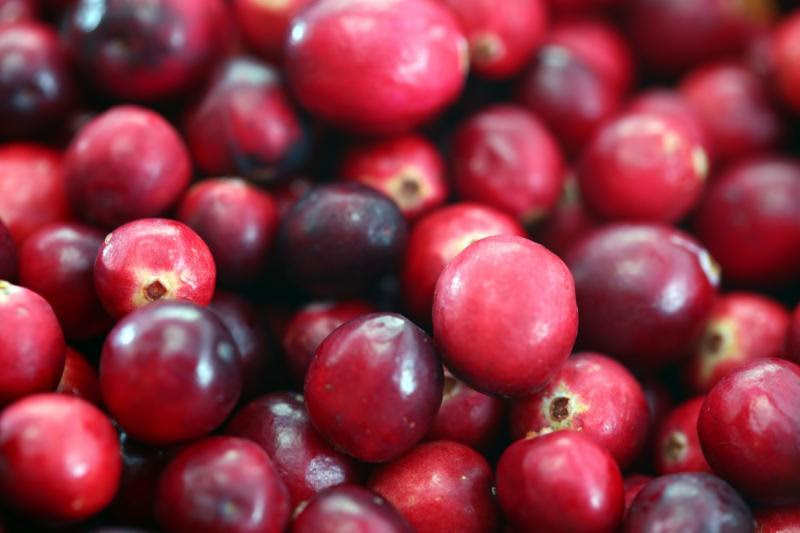
Feed Cranberries to Horses
Editor’s Note: This article has been sourced via Riva’s Remedies.
I’m always looking for new foods that horses might like to provide them with variety and extra nutrition. Turns out that raw organic cranberries are the new face around here – they gobble them right up even with the tart taste. Cranberries are rich in Manganese, Vitamin C, Vitamin E, fibre, and anti-oxidants. They are a natural anti-inflammatory and antibiotic, and are beneficial for the immune system and heart. Just add 1/4 cup to their breakfast.
Hormonal Mares

Editor’s Note: This article has been sourced via Riva’s Remedies.
Many mares exhibit hormonal problems through mood and behaviour changes. This is often seen during a mare’s cycling days, however many mare owners report problems with their behaviour on a daily basis even when they are not cycling. Unfortunately, too many times we have simply attributed this to “mares being mares”, and have not recognized that these girls are not feeling well and that they can suffer from the same anxiety, irritability, aggression, sadness and depression as women do during PMS or an unhealthy menopause. They can also have problems with cycling pains. Pain and/or emotional symptoms make it very hard for mares to tolerate being handled or ridden, to compete and/or to cooperate with other horses. Unfortunately these behaviours often get dismissed as a personality or training problem.
Hormones are powerful chemicals that have a profound effect on the neurotransmitters of the brain: estrogen has an excitatory effect on the brain, increasing serotonin and acetylcholine levels whereas progesterone has a more calming effect. Serotonin is responsible for creating positive moods and acetylcholine is necessary for focus and memory.
As with humans, diet can be an important factor – high-sugar feed such as oats or sweet feed will exacerbate hormonal symptoms. Horse owners also report that high quantities of alfalfa can negatively affect behaviour as well. (For humans, caffeine and dairy products are the most common dietary culprits that contribute to PMS and menopausal symptoms.)
Fortunately, when hormonal mares are supplemented with the appropriate nutrients and/or hormone-balancing herbal blends they will quickly improve to experience an increase in stable moods and suffer less depression, less aggression and more motivation. Beneficial nutritional supplements include the Riva’s Vitamin B6 (pyridoxine) and Riva’s Primrose Oil. Vitamin B6 is essential for the synthesis of both hormones and neurotransmitters and has the added benefit of regulating blood sugar levels. Vitamin B6 will also support pituitary and thyroid function as these endocrine glands rely on this vitamin for optimum health. Riva’s Primrose Oil provides essential fatty acids and 9% gamma-linolenic acid (GLA) which is found in the plant seeds of evening primrose oil. Primrose oil also has anti-inflammatory properties which helps with skin conditions and arthritis.
Herbal blends for hormone balance are also available as they re-balance the estrogen and progesterone levels and calm the emotions. The Riva’s Herbal Blend for Mares contains black cohosh, blessed thistle, chamomile and wild yam root to tone the ovaries and sooth the nerves. This blend will also effectively regulate erratic cycles, ease uterine cramping and/or help to increase fertility – although it is not advisable to feed it during pregnancy. This blend has an effective stabilizing effect on moods.
If the thyroid or pituitary glands are needing support in addition to the reproductive hormones then add the Riva’s Hormone Boost which contains Ashwaghanda, Chaste Berry, Kelp, Licorice Root and Raspberry Leaf. This formula will strengthen the endocrine gland system, relieve stress and balance hormone levels. It is also beneficial in cases of Equine Metabolic Syndrome, Insulin Resistance and Cushing’s since it supports the pituitary and adrenal glands and helps to regulate insulin levels and metabolism.
If the hormones are stabilized but your mare still appears uncooperative with an attitude then she either has other underlying emotional issues (she needs to be heard) or the training program should be assessed. Some “mare behaviour” has been allowed to become a pattern, in which case competent but compassionate handling will help them establish new patterns. And don’t put food down in front of “cranky” mares until their ears come forward – this might take time at first but they should learn to “smile” in the presence of food.
With good food, supplements and common-sense handling your mare will be a happy, healthy and willing partner.
“Riva’s Healing Spirit awakens the essence that resides within each one of us
– animal or human – the heart of which connects
and aligns us with the greater spirit that heals all.”Marijke van de Water, B.Sc., DHMS
Equine Health & Nutrition Specialist
Homeopathic Practitioner
Medical Intuitive & Healer
Author & Educator
For more information on your horses’ diet,
nutrition and health conditions read
“Healing Horses Their Way”
Watch the Riva’s Remedies video on YouTube “Hormonal Mares and Geldings”
What’s TRUE about beet pulp
Editor’s Note: This article has been sourced via Riva’s Remedies.
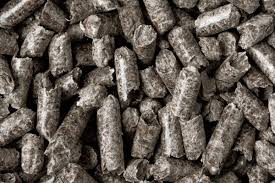
Beet pulp is the fibrous material left over after the sugar is extracted from sugar beets. It’s an excellent source of crude fibre (18%) and contains both insoluble and soluble fibre which is mostly pectin. Pectin is a highly digestible fibre which is why beet pulp is such a good energy source – horses obtain over 75% of their energy from the fermentation of fibre; not from protein, carbohydrates or oil. Beet pulp fibre is also an effective prebiotic that helps the equine hind-gut synthesize natural levels of probiotics which, in turn, helps to maintain the intestinal ecosystem including the immune system. Fibre is a natural detoxifier of the intestines and the liver and beet pulp is also high in calcium.
Beet pulp has a very low glycemic index meaning that it doesn’t cause a blood sugar spike as do grains such as oats, corn or barley. In addition, it will actually help stabilize blood sugar levels due to its high fibre content. And even though most manufacturers add 5-10% molasses to the pellets the glycemic index is still within acceptable levels because the high fibre content slows down any sugar absorption. Therefore, beet pulp of any kind is frequently a suitable feed for metabolic and/or insulin resistant horses or other sugar-sensitive horses.
Unfortunately, there are many misconceptions about beet pulp that are not based on fact. Here is what is TRUE about beet pulp.
- Beet pulp is not high in sugar. It is high in fibre.
- Beets are not treated with chemicals to kill the top leaves – they are mechanically removed.
- The pulp is produced by soaking beets in hot water, not harsh chemicals.
- Beet pulp is not a source of toxic iron; iron is not a toxic mineral, it is vital to good health and many horses are deficient in iron.
- Beet pulp does not contain higher levels of aluminum than table salt and/or oats for example.
- Pesticide levels in beet sugar is zero and the levels in pulp are extremely low.
For many horses, the available energy, the digestible fibre and its activity as a prebiotic makes beet pulp a beneficial feed that over-rides any negative aspects. At this time there is no other healthier substitute which has the same benefits. However, beet pulp is a GMO crop so let your growers know that organic is your choice for all foods. If everyone bought organic food for themselves and for their animals the world would be cleaner, happier, healthier and, most importantly, more humane.
Some horses don’t tolerate beet pulp however so eliminate it from the feed program if there are any signs of indigestion or other symptoms. Always avoid high sugar feeds, commercial feeds, feeds with unknown ingredients, fats/oils and any other high fat foods.
Beet pulp should always be fed soaked. It can absorb four times its dry weight in water making it a good source of water as well. It is not necessary to rinse or wash beet pulp before soaking.
Need an answering service for your business? Try a virtual receptionist by Virtual Assistant Canada.
Understanding Equine Digestion
Learn more about your horses digestion system, some common equine problems, the causes of these problems and the recommended treatments.
Watch this video via Riva’s Remedies
Hoof Nutrition for Healthy Hooves
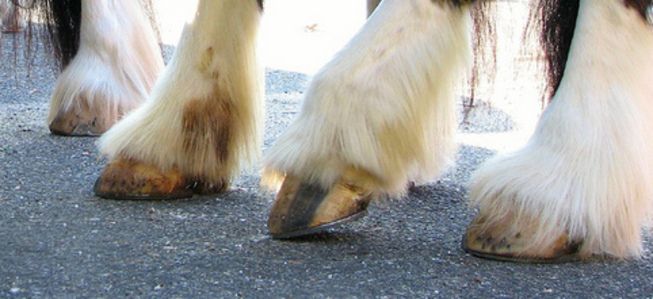
Reference: Excerpts from a blog by Marijke van de Water (Equine Health and Nutrition Specialist) from Rivas Remedies (www.rivasremedies.com)
Horse hooves require tremendous amount of nutrition including protein, sugars, vitamins and minerals. Minerals such as straight sulphur, selenium, and silica are significant in overall hoof health. Silica promotes bone health, strengthens collagen and hardens the hoof wall, while selenium and sulphur contribute to collagen production and strengthen the cross link bonds in the keratin.
Sulphur – the bonding agent
Sulphur is a critical nutrient for strengthening the amino acids (protein units) that serve as major building blocks in healthy collagen to form a strong hoof wall. Obvious signs of sulphur deficiency include poor hoof growth, dry and cracking hooves, poor hair coat, skin conditions and allergies. Sulphur can be supplemented as methionine or as Horsetail herb.
Selenium – a must for hoof health
A selenium deficiency in the hoof can appear as horizontal cracks near the top of the hoof below the coronet band, a yellowing frog and/or lameness due to either weak hoof structure or strained ligaments and tendons. Selenium can be supplemented in either an inorganic form (known as sodium selenite, which is actually a by-product of copper mining) or in an organic form. Sodium selenite is the most common supplement available but is also the toxic form of selenium which is why it cannot be given in extreme doses.
Silica – undervalued and underutilized
Silica is not only critical for the early stages of bone formation but also plays a major role in the formation of the collagen matrix of bone and cartilage. Normally horses obtain small amounts of silica from grass and hay as all plants use silica to provide rigidity and structure to their leaves and stems.
Deficiency symptoms of silica include weak and brittle hooves, sand cracks, abscesses, lameness, inflammation of tendons, and bone weakness with loss of density. Nutrient Sources Some of the best plant sources for silica and sulphur supplementation is horsetail and oatstraw. Horsetail has a number of other benefits: strengthens the respiratory system, improves skin and hair coat, aids urinary function and increases calcium absorption. Poor hoof circulation is always a factor in unhealthy hooves since improper hoof mechanism constricts blood supply and therefore the delivery of oxygen and nutrients. Horse hooves are very much a reflection of the whole and the treatment of the hoof should always consider the whole health of the horse. Conversely, treating the whole health of the horse will always benefit the hoof.
Healing with the Marijke Method – An Online Radio Show for Healing People, Horses, Dogs & Cats

This Wednesday, February 26th 2014, don’t miss the online radio show, Healing Horses Naturally by Marijke van de Water.
Learn how to heal common horse health conditions with diet, nutrition, natural remedies and supplements. Colic, bloating, gas, injuries, infections, colds, flus, arthritis, skin conditions, allergies, hormonal imbalances, liver conditions and a variety of other ailments that horses are prone to.
Listen to Marijke live every Wednesday at 11 am PST (2 pm EST). www.toginet.com. Call in with your questions and comments 1-866-404-6519. Can’t make the show? Download Podcasts. Click Here for Podcast Health Topics and More Show Info
Marijke van de Water, B.Sc., DHMS Marijke is a Health & Nutrition Specialist, Homeopathic Practitioner, a gifted Medical Intuitive and Healer, Author & Educator. She considers food, natural medicine and energy healing as “mainstream”. Marijke has over two decades of clinical experience in private practice helping people and animals regain optimum health. She has guided thousands of success cases.
Holistic Horse Health: Is Stress Affecting Your Horse’s Liver? (Part 3)
See below for more thoughts from Madalyn Ward, DVM, on the topic of stress and how it affects a horse’s liver function.
~~~~~~~~~~~~~~~~~~~~~~~~~~~~~~~~~~~~~~~~~~~~~~~~~~~~~~~~~~~~~~~~~~~~~~~~
Solutions for Coping with Stress
High chlorophyll foods such and blue green algae have a protective and cleansing effect on liver tissue. Blue green algae and sprouted greens are also high in natural antioxidants which aid the liver in detoxifying the body.
Certain nutritional mushrooms such as Maitake, Poria, Reishi and Cordyceps aid the liver by helping to lower sugar levels in the blood. Green foods in combination with nutritional mushrooms and spouted greens support the liver and kidneys in their roles of removing toxins from the body. Exercise is also critical for helping the Liver to move Qi and to lower insulin levels in the blood.
Liver support:
• Homeopathic Nux vomica
• Milk thistle and dandelion root
• High chlorophyll foods such as blue green algae and sprouted greens
• Nutritional mushrooms
• Exercise
Stress is part of many horses’ lives but its damaging effects can be kept to a minimum with proper support for the digestive tract and liver. In addition to the stress lowering steps mentioned in last month’s newsletter you may also want to consider your horse’s temperament. Different type and temperament horses respond differently to stress and will need different support for best results.
Check out Horse Harmony to help you determine your horse’s temperament type and look at our Feeding Guide to help select the best products for your horse.
References: Dr. Greer GI seminar, Nov 2013
More from Madalyn Ward, DVM:
www.holistichorsekeeping.com
www.horseharmony.com
www.horseharmonytest.com
blog.horseharmony.com
http://www.facebook.com/HorseHarmony
Twitter: @madalynward
Holistic Horse Health: Is Stress Affecting Your Horse’s Liver? (Part 2)
See below for more thoughts from Madalyn Ward, DVM, on the topic of stress and how it affects a horse’s liver function.
~~~~~~~~~~~~~~~~~~~~~~~~~~~~~~~~~~~~~~~~~~~~~~~~~~~~~~~~~~~~~~~~~~~~~~~~
Chronic Stress and the Liver
Chronic stress in horses not only causes excess fat to accumulate in the external tissues but also in the internal organs such as the liver. A fat filled liver can’t perform its critical functions. Signs of poor liver function include general fatigue and lack of focus. Poor digestion is related to lack of bile production. Edema can occur as toxins build up in the tissues and lymphatic system.
In Traditional Chinese Medicine(TCM) the Liver is responsible for the smooth flow of Qi so general stiffness and chest pain are also signs of liver stress. TCM also looks at the liver as the organ that helps one adapt to one’s environment so poor liver function can be related to allergies.
Signs of poor liver function include:
• General fatigue and lack of focusing ability
• Poor fat digestion
• Edema
• Stiffness and chest pain
• Allergies
Solutions for Coping with Stress
In our last newsletter we talked about what causes stress in horses and how to avoid stress when possible. For some horses chronic stress is part of their lives so steps must be taken to support good liver function in spite of it. Nux vomica is a classic homeopathic remedy that helps with liver stress from toxin build up or overeating. Nux is wonderful to help horses showing signs of stocking up or mild impaction colic. Nux is also helpful for horses showing irritability. Herbs that support liver function include milk thistle and dandelion root. Milk thistle can actually help damaged liver tissue regenerate and dandelion root will help with bile production.
More from Madalyn Ward, DVM:
www.holistichorsekeeping.com
www.horseharmony.com
www.horseharmonytest.com
blog.horseharmony.com
http://www.facebook.com/HorseHarmony
Twitter: @madalynward
The Do’s & Don’ts of Laminitis (Part 3)
The previous article, “The Do’s & Don’ts of Laminitis (Part 2),” by Marijke van de Water, Equine Health & Nutrition Specialist, Homeopathic Practitioner, and Medical Intuitive & Healer, explored a few “do’s and don’ts” for ensuring the optimal health of a laminitic horse. See below for part 3 of this article, which outlines a few more “do’s” when caring for a laminitic horse.
~~~~~~~~~~~~~~~~~~~~~~~~~~~~~~~~~~~~~~~~~~~~~~~~~~~~~~~~~~~~~~~~~~~
The Do’s
Do treat horses for a leaky gut if present – hindgut bacteria, acids and toxins are a major cause of laminitis. Use Pro-Colon probiotics, Pro-Dygest, Para+Plus and/or Vitamin B12.
Do treat horses for parasites – parasitic toxins exacerbate hoof inflammation and/or laminitis.
Do ensure a proper barefoot trim with good hoof mechanism. Note: a pasture trim is not a barefoot trim. A pasture trim is done to nail a shoe on, a barefoot trim is done to maximize proper hoof growth and performance. Educate yourself on different trimming methods.
Do also educate yourself on sub-clinical laminitis – this is a type of laminitis that shows no clinical signs of separation, digital pulse or hoof tenderness. It is a common cause of hoof soreness and is absolutely under-diagnosed!
Do know that the most common hoof nutrient deficiencies are selenium, silica and sulphur – all minerals which strengthen hoof wall, lamina and joint capsules.
Do also know that rotated coffin bones will re-rotate back into position if the horse is fed an appropriate diet with the right supplements and is trimmed with a professional barefoot trim. Marijke has guided hundreds of laminitic horses in varying stages to 100% soundness – many of these horses were considered untreatable.
Do use boots and/or casts to relieve pain and encourage movement in the acute stages.
Do practice prevention – good food, good trims, good exercise!
Do read Healing Horses Their Way for an extensive resource of information on laminitis…and much more.
Happy Hooves, Happy Horses!
More from Marijke van de Water:
Website: http://www.rivasremedies.com
Twitter: @rivasremedies
Facebook: facebook.com/rivasremedies1
The Do’s & Don’ts of Laminitis (Part 2)
The previous article, “The Do’s & Don’ts of Laminitis (Part 1),” by Marijke van de Water, Equine Health & Nutrition Specialist, Homeopathic Practitioner, and Medical Intuitive & Healer, explored a few “don’ts” for ensuring the optimal health of a laminitic horse. See below for part 2 of this article, which outlines a few more “do’s and don’ts” when caring for a laminitic horse.
~~~~~~~~~~~~~~~~~~~~~~~~~~~~~~~~~~~~~~~~~~~~~~~~~~~~~~~~~~~~~~~~~~~
The Don’ts
Don’t confine a laminitic horse no matter how sore they are – horses need movement and exercise to improve circulation and deliver nutrients to toxic and damaged hoof tissues. Let the sore horse decide how much movement he/she needs. Metabolic horses with laminitis need exercise to regulate blood sugar levels and to reverse their condition.
Don’t use glucosamine long-term, if at all – glucosamine is a type of sugar that strains the liver and depresses insulin production in sugar sensitive, overweight and/or metabolic horses.
Don’t accept hoof pathologies as normal (no matter what breed): flaring walls, bell-shaped hooves, cracking, splitting, soft soles, flat soles, long toes, high heels, contracted heels and/or under-run heels are all abnormal and can be fixed with a professional barefoot trim, exercise and a good diet.
Don’t always accept the label of “navicular” – this is an over-used diagnosis to explain unexplained symptoms. Many cases of so-called navicular are actually sub-clinical laminitis.
Don’t listen to well-meaning people who tell you that your horse won’t recover – they are misinformed.
The Do’s
Do feed horses a high fibre diet (e.g. hay, beet pulp, soybean hulls, flax seeds, chia seeds, hemp seeds, wheat bran, wheat germ) – fibre detoxifies the liver and hindgut, regulates appetite, lowers the glycemic index of all feeds and encourages weight loss.
Do use slow feeders to lower stress levels, ease digestion and provide forage 24/7.
Stay Tuned for Part 3
In Part 3, we will share Marijke’s words on a few more “do’s” to ensure the optimal health of a laminitic horse.
More from Marijke van de Water:
Website: http://www.rivasremedies.com
Twitter: @rivasremedies
Facebook: facebook.com/rivasremedies1
Click here to get your free gift!
Privacy Policy:Your email address will never be sold, rented, or given away.